
New Orleans is the oldest city in the country, prides in being an incredible melting pot, a haven for diverse cultures, architecture, food, and music. From the dynamic jazz music, outlandish Mardi Gras celebration, and appetizing Creole cuisine bestows New Orleans a celestial experience.
If you are fancying flashy king cakes, sweet beignets, and seafood surfacing on your list – New Orleans is your panacea. Once you have decided on the trip, follow this guide closely to unravel the memories this flavourful city has to confer.
Experience Mardi Gras
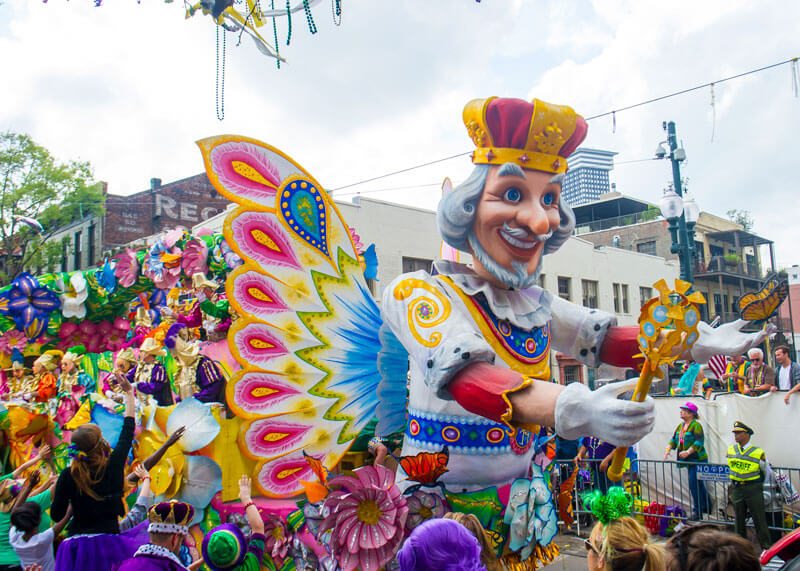
The season of Mardi Gras extends throughout January and February. The experience traverses the spiritual realm from St Ann’s parade, the festivities of Lundi Gras.
This transcends into a commemoration of community, history, and art, to the extent that the ethos of New Orleans is perceived through Mardi Gras.
You can also revel in the early parades, including Chewbacchus and Krewe du Vieux, exclusively themed parades, the former based on sci-fi and fantasy. The latter was a political satire.
Cultivate A Love for Strolls
Though the Tennessee Williams quote holds true; however, public transit is not definitely a strong point in New Orleans. Though ferrying across the Mississippi to the West Bank renders a romantic experience, it is merely a single-use case.
Yet another option is the streetcar, which is aesthetic but restricts you because of the slow and limited nature of it. The bus services here have a reliable track record; however, the major constraint is that it is not as rapid as other major metros.
Therefore, New Orleanians have developed a penchant for walking, a convenient and refreshing choice.
The Art of Drinking

Yes, in New Orleans, indulge in a stroll down Bourbon Street or visit the Tales of the Cocktail to experience this art form. The cherry on the cake is the lenient alcohol laws practiced in here.
Here you have the luxury of relishing your alcohol in a go-cup, so stroll and sip. There are zilch restrictions on the timings for servings in the restaurants or bars. There are some of these places that remain open for 24 hours.
And if it is a family picnic that you have planned for which you are thinking of getting some wine, you have the option of visiting your departmental store to fetch in your favourites.
Revel in Live Music
If you wish to carouse in the music of your New Orleans fantasies, the clubs in the French Quarter or venues like the Maple Leaf Bar are your magic pill. The Livewire by the well-established community radio station WWOZ will confer you a memorable music experience.
Though the city is overwhelmed by jazz and brass, the other thriving genres include hip-hop, folk, metal, and zydeco. This city is one that attains its vivacity from music.